
Buying or selling a pharmacy is one of the biggest financial and operational decisions a pharmacy owner can make. Whether you are planning to expand your healthcare business, retire, invest in an independent pharmacy, or transition ownership, understanding the pharmacy acquisition and selling process is critical for long-term success.
The pharmacy industry continues to evolve rapidly in 2026 due to changing reimbursement models, growing healthcare demands, independent pharmacy consolidation, AI-driven pharmacy operations, and increasing patient expectations. Because of this, pharmacy transactions now require more planning, compliance review, financial analysis, and operational evaluation than ever before.
Many pharmacy owners underestimate the complexity involved in buying or selling a pharmacy. Beyond simply transferring ownership, the process often includes valuation analysis, licensing transfers, DEA compliance, inventory assessment, credentialing, lease negotiations, payer contracts, financial due diligence, and legal documentation.
In this guide, we’ll explain how to buy or sell a pharmacy successfully, common mistakes to avoid, pharmacy valuation factors, legal considerations, startup costs, AI trends in pharmacy operations, and how pharmacy consultants can help simplify the process.
At Rx Advisor Inc, we help pharmacy owners nationwide with pharmacy buying and selling services, licensing, credentialing, DEA compliance, startup consulting, and turnkey pharmacy solutions.
Why Pharmacy Buying and Selling Is Growing in 2026
The pharmacy industry is experiencing significant transition and consolidation.
Several factors are driving pharmacy acquisitions and sales:
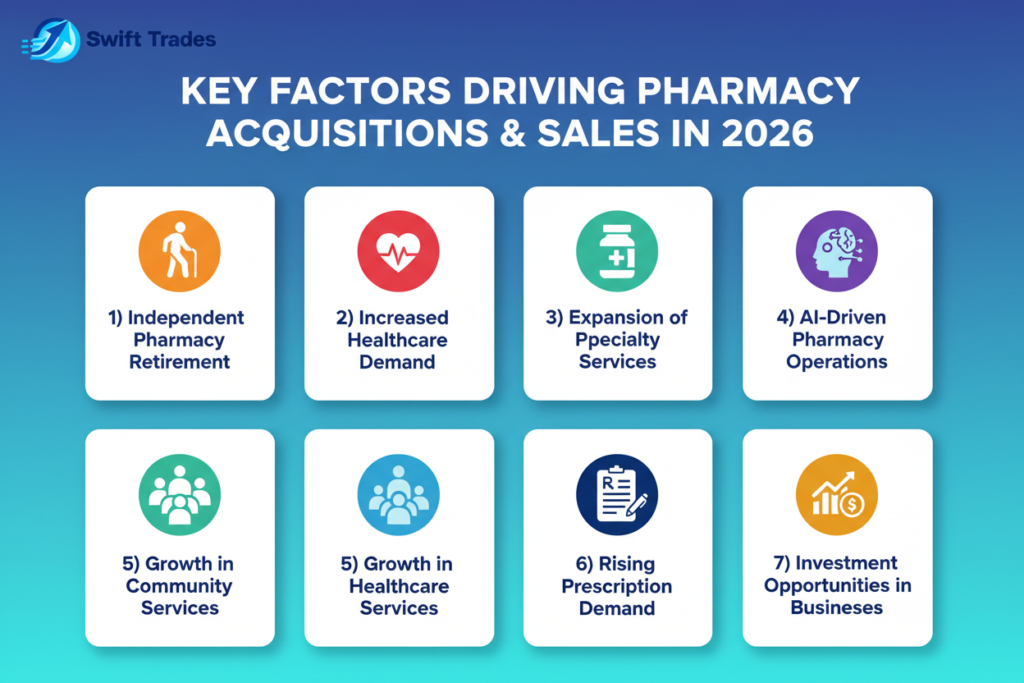
Many entrepreneurs now prefer purchasing an existing pharmacy instead of starting from scratch because it may already include:
- Existing patient base
- Insurance contracts
- Established cash flow
- Operational systems
- Trained staff
- Existing licenses and infrastructure
Similarly, pharmacy owners looking to retire or transition into new ventures often seek professional pharmacy selling services to maximize business value and ensure a smooth ownership transfer.
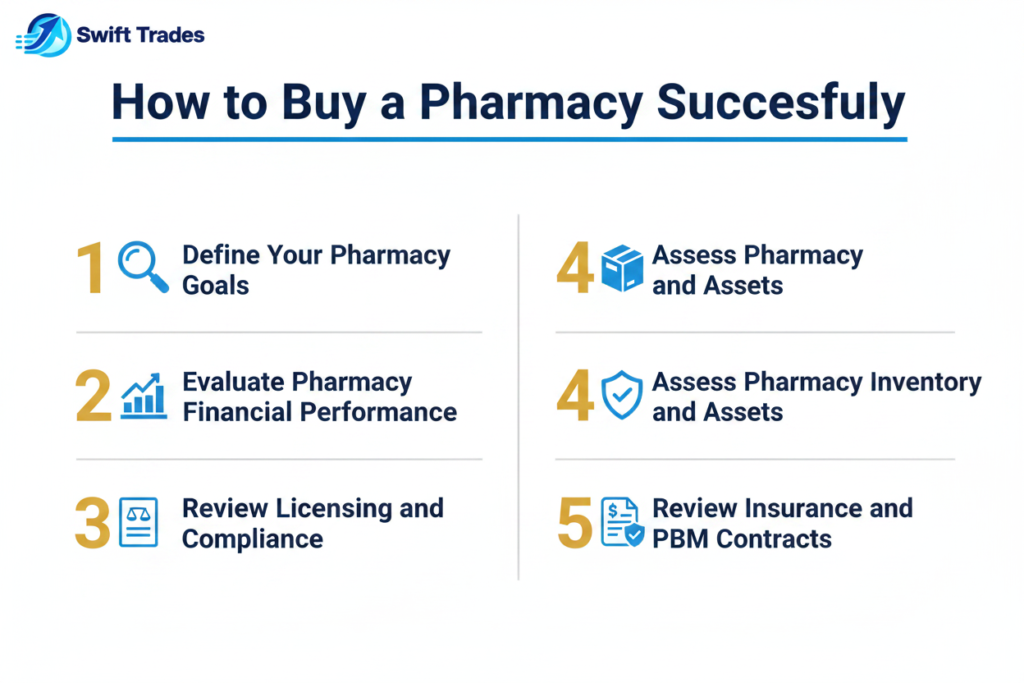
How to Buy a Pharmacy Successfully
Buying a pharmacy requires much more than simply purchasing a business.
A successful acquisition involves careful due diligence, financial planning, compliance review, and operational analysis.
Step 1: Define Your Pharmacy Goals
Before purchasing a pharmacy, determine your business objectives.
Questions to consider include:
- Do you want an independent retail pharmacy?
- Are you interested in specialty pharmacy services?
- Do you want a compounding pharmacy?
- What location fits your target market?
- What is your investment budget?
- Will you operate owner-managed or hire staff?
Defining clear goals helps narrow your search and avoid costly investment mistakes.
Step 2: Evaluate Pharmacy Financial Performance
One of the most important steps in buying a pharmacy is reviewing the business financials.
Key areas to analyze include:
- Prescription volume
- Gross revenue
- Net profit margins
- Inventory costs
- PBM reimbursement trends
- Payroll expenses
- Operational overhead
- Tax records
- Outstanding liabilities
A pharmacy with strong prescription growth and stable payer relationships often has better long-term profitability potential.
Step 3: Review Licensing and Compliance
Healthcare businesses operate under strict regulations.
Before finalizing a purchase, verify:
- Pharmacy licenses
- DEA registration
- State compliance history
- Inspection records
- Credentialing status
- HIPAA compliance
- Controlled substance procedures
Compliance issues can create serious legal and financial risks if overlooked during the acquisition process.
Step 4: Assess Pharmacy Inventory and Assets
Inventory valuation is a major component of pharmacy transactions.
You should evaluate:
- Medication inventory
- Expired products
- Medical equipment
- POS systems
- Refrigeration units
- Technology systems
- Furniture and fixtures
Proper inventory analysis helps ensure accurate business valuation.
Step 5: Review Insurance and PBM Contracts
Existing insurance contracts and PBM relationships significantly impact pharmacy profitability.
Review:
- Active payer contracts
- Medicare participation
- Medicaid enrollment
- Reimbursement rates
- Contract renewal terms
Some PBM contracts may not transfer automatically during ownership changes, so reviewing credentialing requirements is essential.
How to Sell a Pharmacy Successfully
Selling a pharmacy requires strategic planning to maximize value and attract qualified buyers.
Many pharmacy owners lose potential value because they begin the selling process without proper preparation.
Step 1: Determine Your Pharmacy Valuation
The first step in selling a pharmacy is understanding its market value.
Pharmacy valuation depends on factors such as:
- Annual revenue
- Prescription volume
- Profitability
- Location
- Patient retention
- Insurance contracts
- Inventory value
- Operational efficiency
A professional pharmacy valuation provides realistic pricing expectations and improves buyer confidence.
Step 2: Organize Financial and Compliance Documents
Buyers will carefully review your operational and financial records.
Prepare documents including:
- Tax returns
- Profit and loss statements
- Inventory reports
- Lease agreements
- Licenses and permits
- Payroll records
- Insurance contracts
- Compliance documentation
Well-organized documentation can accelerate the selling process and improve credibility.
Step 3: Improve Operational Efficiency Before Selling
Pharmacies with efficient operations often receive stronger offers.
Areas to optimize before selling include:
- Reducing unnecessary expenses
- Improving workflow systems
- Updating software systems
- Increasing patient retention
- Cleaning compliance issues
- Organizing inventory
Small operational improvements can significantly increase pharmacy valuation.
Common Mistakes When Buying or Selling a Pharmacy
Many pharmacy transactions fail because of avoidable mistakes.
Common issues include:
- Incomplete due diligence
- Overestimating pharmacy value
- Ignoring compliance risks
- Poor financial analysis
- Weak contract review
- Inventory miscalculations
- PBM transfer problems
- Underestimating transition costs
Working with experienced pharmacy consultants can help reduce these risks.
AI and Technology in Modern Pharmacy Operations
AI is rapidly transforming the pharmacy industry.
Modern pharmacies now use AI-driven systems for:
- Prescription processing
- Inventory forecasting
- Patient communication
- Workflow automation
- Compliance monitoring
- Medication adherence programs
- Billing optimization
Pharmacies using modern technology often improve operational efficiency, reduce labor costs, and enhance patient experiences.
Buyers increasingly evaluate pharmacy technology systems during acquisitions because digital infrastructure directly impacts scalability and profitability.
How Much Does It Cost to Buy a Pharmacy?
The cost of purchasing a pharmacy varies significantly depending on:
- Pharmacy size
- Prescription volume
- Inventory levels
- Location
- Specialty services
- Revenue performance
- Real estate ownership
Smaller independent pharmacies may sell for under $200,000, while larger specialty or high-volume pharmacies can sell for millions of dollars.
Additional acquisition costs may include:
- Legal fees
- Licensing transfers
- Inventory purchases
- Renovations
- Credentialing expenses
- Operational upgrades
- Working capital reserves
Financing Options for Pharmacy Acquisitions
Many pharmacy buyers use financing to complete acquisitions.
Common funding options include:
- SBA loans
- Healthcare business loans
- Private investors
- Seller financing
- Equipment financing
Strong business planning and financial preparation improve financing approval chances.
Why Work With Pharmacy Consultants?
Buying or selling a pharmacy involves legal, financial, operational, and compliance complexities.
Working with experienced pharmacy consultants can help:
- Simplify the acquisition process
- Reduce compliance risks
- Improve pharmacy valuation
- Accelerate licensing transfers
- Assist with credentialing
- Support operational transitions
- Avoid costly mistakes
Rx Advisor Inc provides nationwide pharmacy consulting services including:
- Pharmacy buying and selling support
- Pharmacy valuation guidance
- DEA compliance assistance
- Credentialing services
- Licensing support
- Pharmacy startup consulting
- Turnkey pharmacy solutions
Our team helps pharmacy owners navigate every stage of the buying and selling process with confidence.
Final Thoughts
Buying or selling a pharmacy can be a highly rewarding opportunity when approached strategically. However, successful pharmacy transactions require careful planning, financial analysis, regulatory compliance, and operational evaluation.
Whether you are purchasing your first pharmacy, expanding your healthcare business, or preparing to sell an existing operation, understanding the complete process is essential for protecting your investment and maximizing long-term success.
If you are planning to buy or sell a pharmacy in 2026, working with experienced pharmacy consultants can help simplify the process and reduce costly mistakes. Contact Rx Advisor Inc today for expert pharmacy buying, selling, licensing, credentialing, and startup consulting services.
If you are planning to buy or sell a pharmacy in 2026, working with experienced consultants can help simplify the process, reduce costly mistakes, and maximize your business value. The team at SwiftTrades provides expert pharmacy consulting services including pharmacy buying and selling support, valuation guidance, licensing assistance, credentialing, compliance consulting, and operational transition solutions for pharmacy owners across the United States.
FAQs
How do I buy an existing pharmacy?
Buying a pharmacy typically involves financial analysis, valuation review, compliance checks, inventory assessment, credentialing evaluation, and legal documentation before ownership transfer.
Is buying a pharmacy profitable?
Yes, pharmacies can be profitable when managed efficiently with strong payer relationships, operational systems, and patient retention strategies.
How long does it take to sell a pharmacy?
The timeline varies depending on valuation, documentation, buyer financing, and licensing transfer requirements. Some transactions may take several months to complete.
What affects pharmacy valuation?
Prescription volume, profitability, location, payer contracts, inventory, patient retention, operational efficiency, and compliance history all affect pharmacy value.
Should I use a pharmacy consultant when buying or selling?
Yes, experienced consultants can help simplify compliance, valuation, credentialing, licensing transfers, negotiations, and operational transition planning.